
If you’re not using your fireplace, there are a few different ways to block it off to keep heat and drafts from escaping through the chimney:
- Throat damper
- Fireplace doors
- Top-mount chimney cap damper
- Seal the fireplace opening with drywall or brick
- Fireplace insert
- Seal the flue
Before doing any of these, confirm the fireplace has no active gas line or appliance connection. If it’s a gas fireplace, see our guide on removing a gas fireplace first — permanently sealing over a live gas connection is a real hazard, not just an inconvenience later.
6 Ways to Close Off a Fireplace
Throat Damper
One of the simplest and most reversible options is a throat damper — a metal plate at the top of the firebox that seals off the chimney when closed. Most masonry fireplaces already have one; if it’s stuck open or missing, a damper can typically be repaired or replaced without major work.
Fireplace Doors

Glass doors fit directly over the fireplace opening and can be opened or closed as needed. They seal reasonably well when closed, and many models include a built-in screen so the fireplace can still be used with the doors open.
Top-Mount Chimney Cap Damper
If you want to close off the chimney itself rather than just the fireplace opening, a top-mount damper (sometimes sold combined with a chimney cap) seals at the top of the flue instead of the firebox. This is a common choice if you still want to use the chimney for something else later — a wood stove insert, for example.
Seal the Fireplace Opening With Drywall or Brick
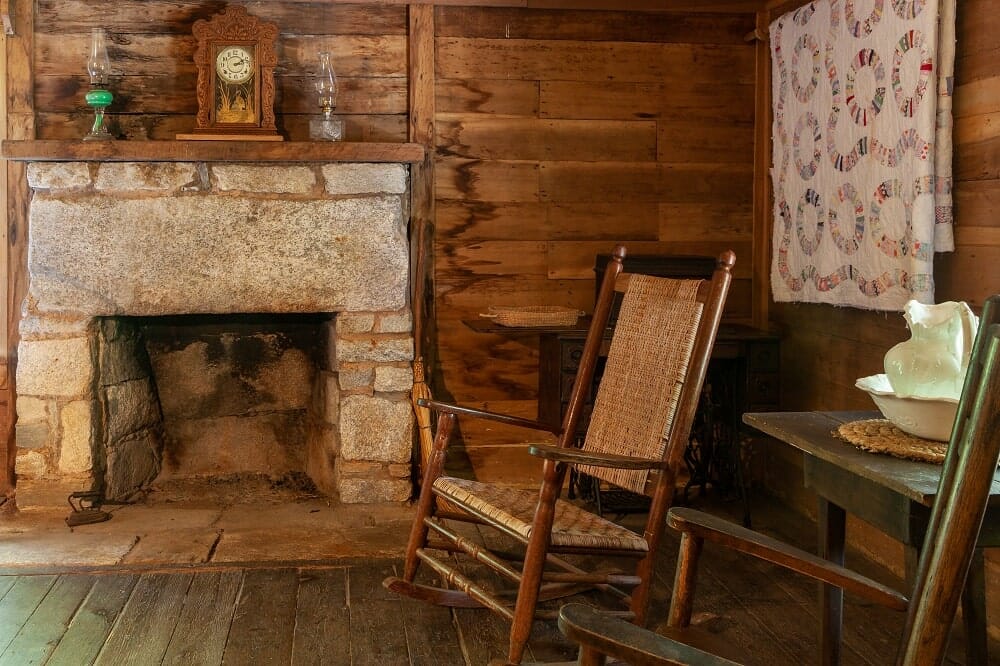
This is the most permanent option on this list — it blocks the opening completely rather than just closing it off temporarily. Because it’s hard to reverse, this is worth doing only if you’re confident you won’t want fireplace access again. It’s also worth having the flue inspected beforehand if it hasn’t been used or cleaned in a while, since sealing over a chimney that still has creosote buildup or a blockage isn’t addressing the underlying issue, just hiding it.
Fireplace Insert
Installing an insert — a sealed metal or glass firebox that fits into the existing opening, with its own door and flue connection — closes off the original fireplace opening while still allowing it to be used, often more efficiently than an open fireplace. Many inserts include a fan to help circulate heat into the room.
Seal the Flue
Sealing the flue itself (rather than just the fireplace opening) blocks the chimney passage completely. This is thorough, but keep in mind a fully sealed masonry chimney with no airflow at all can develop moisture and odor issues over time — an occasional check, or a vented cap rather than a fully airtight seal, avoids that tradeoff for chimneys you don’t plan to reopen.
Which Option Makes Sense?
For most people, a damper or fireplace doors are the easiest to reverse if plans change later. Sealing the opening with drywall or brick, or sealing the flue outright, make sense mainly if you’re certain the fireplace won’t be used again — both are harder to undo and worth pairing with a chimney inspection first if the fireplace has real age or use behind it.

Hi, my name’s Eugene Duke and I love sitting by my fireplace reading a book and sipping on an adult beverage. Do you have a fireplace in your house? I’ll help you figure out the best type and style of fireplace for your home.