
Air-drying firewood the traditional way — stacked, covered, and left alone — works, but it takes months, sometimes a full year depending on species and climate. A kiln speeds that up dramatically by using trapped solar heat and forced airflow to pull moisture out of the wood in days to a couple of weeks instead.
A wood kiln doesn’t need water, chemicals, or anything exotic — it’s essentially a greenhouse for firewood. Sunlight passes through a clear or translucent roof or wall, heats the dark interior, and that heat plus continuous airflow through the wood pile does the actual drying. Vents let the resulting humid air escape rather than recondense on the wood.
How a Solar Wood Kiln Works
The core design, drawn from university extension research on solar kilns, is straightforward: a clear or translucent covering (plastic sheeting, polycarbonate, or fiberglass) lets sunlight in, a dark-painted interior surface absorbs that heat, and one or more fans push air through — not just over — the stacked wood. Interior temperatures in a well-built solar kiln can exceed 150°F, which is genuinely hot enough that extension research on solar kiln design specifically recommends metal-bladed fans rather than plastic ones, since plastic components can warp or melt at those temperatures.
Airflow matters as much as heat. Stack wood with real gaps between rows — roughly a foot of clearance is a reasonable target — so air can actually move through the pile rather than just across the top of it. A baffle that directs fan output toward the stack, rather than letting it blow over the top, makes a meaningful difference in how evenly the wood dries.
Kiln Styles Worth Building
Simple solar greenhouse kiln
The most common backyard approach: a wood-framed structure with a clear plastic, polycarbonate, or fiberglass roof and walls, painted black or dark on the interior surfaces to maximize heat absorption, with vents near the top to let moist air escape and one or two fans for circulation. This scales easily from a small single-cord frame to something large enough for a season’s supply.
Container or shed conversion
A used shipping container or garden shed can be converted into a kiln by adding a clear panel section (or several) to let sunlight in, plus vents and fans. This is a reasonable option if you already have a container or shed sitting unused, since it saves the framing work of building an enclosure from scratch — though you’ll still need to add real ventilation and a light-admitting section, not just seal wood inside an opaque metal box.
A-frame or lean-to kiln
A simpler sloped design against an existing wall or fence, covered in clear plastic sheeting, is the fastest and cheapest version to build — a reasonable starting point if you’re drying smaller batches or want to test the concept before committing to a larger structure.
Whichever style you build, orient the clear surface to face south (in the northern hemisphere) for maximum sun exposure, and keep the surrounding area clear of trees or structures that would shade it for much of the day.
Why Kiln-Dried Firewood Is Worth the Effort
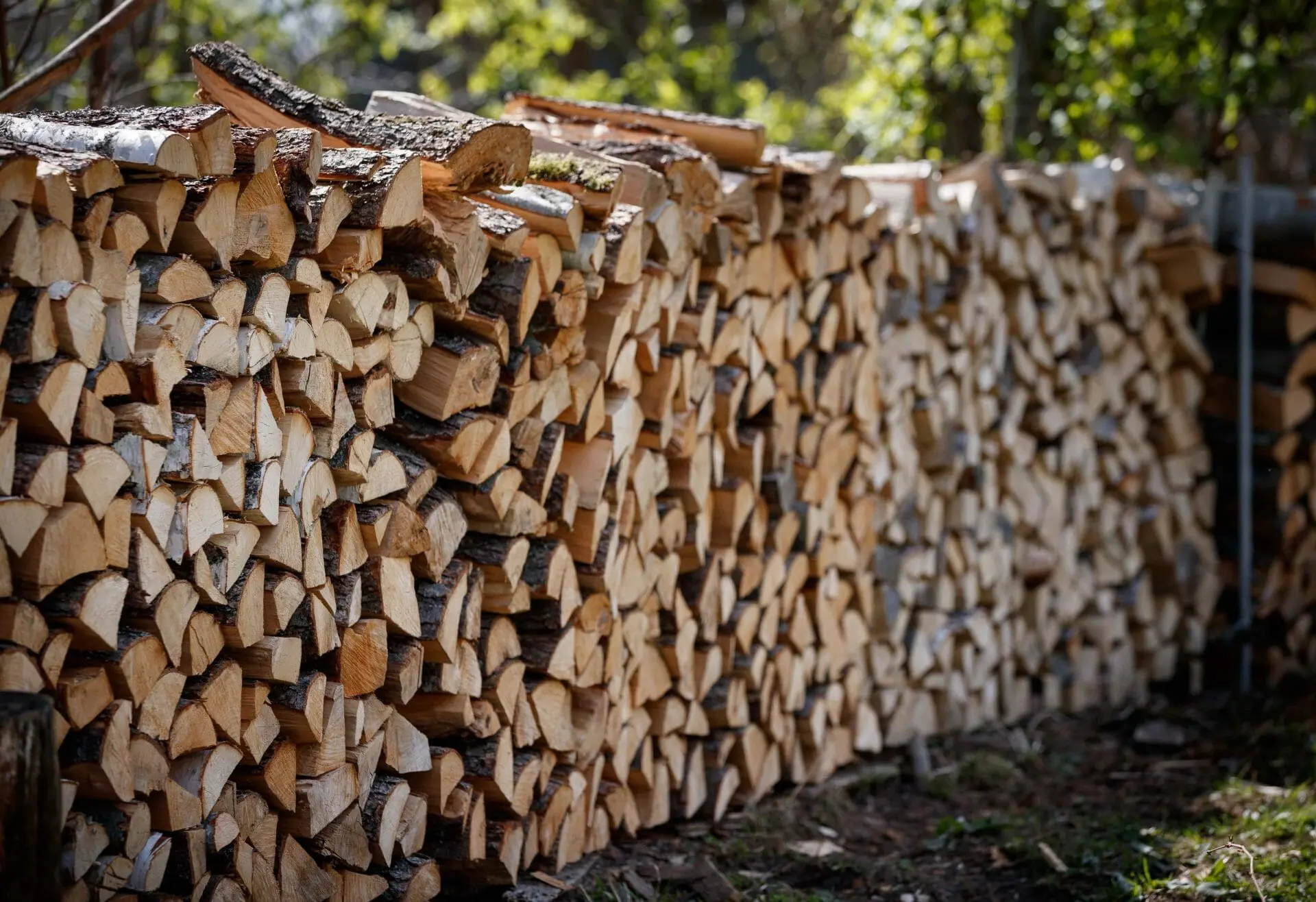
- Properly dried (seasoned) wood burns hotter, cleaner, and more efficiently than green or partially dried wood, which mostly wastes energy boiling off trapped moisture instead of producing usable heat.
- Dry wood produces less smoke and creosote buildup in your chimney, which matters for both air quality and chimney safety over a season of regular use.
- A kiln gets wood ready to burn in days to weeks rather than the months a full air-drying cycle takes — useful if you’re behind on seasoning wood for the season or selling firewood and need faster turnaround.
- If you sell firewood, buyers generally pay more for wood that’s already properly seasoned, since it saves them the wait.
Building Your Kiln: Practical Steps
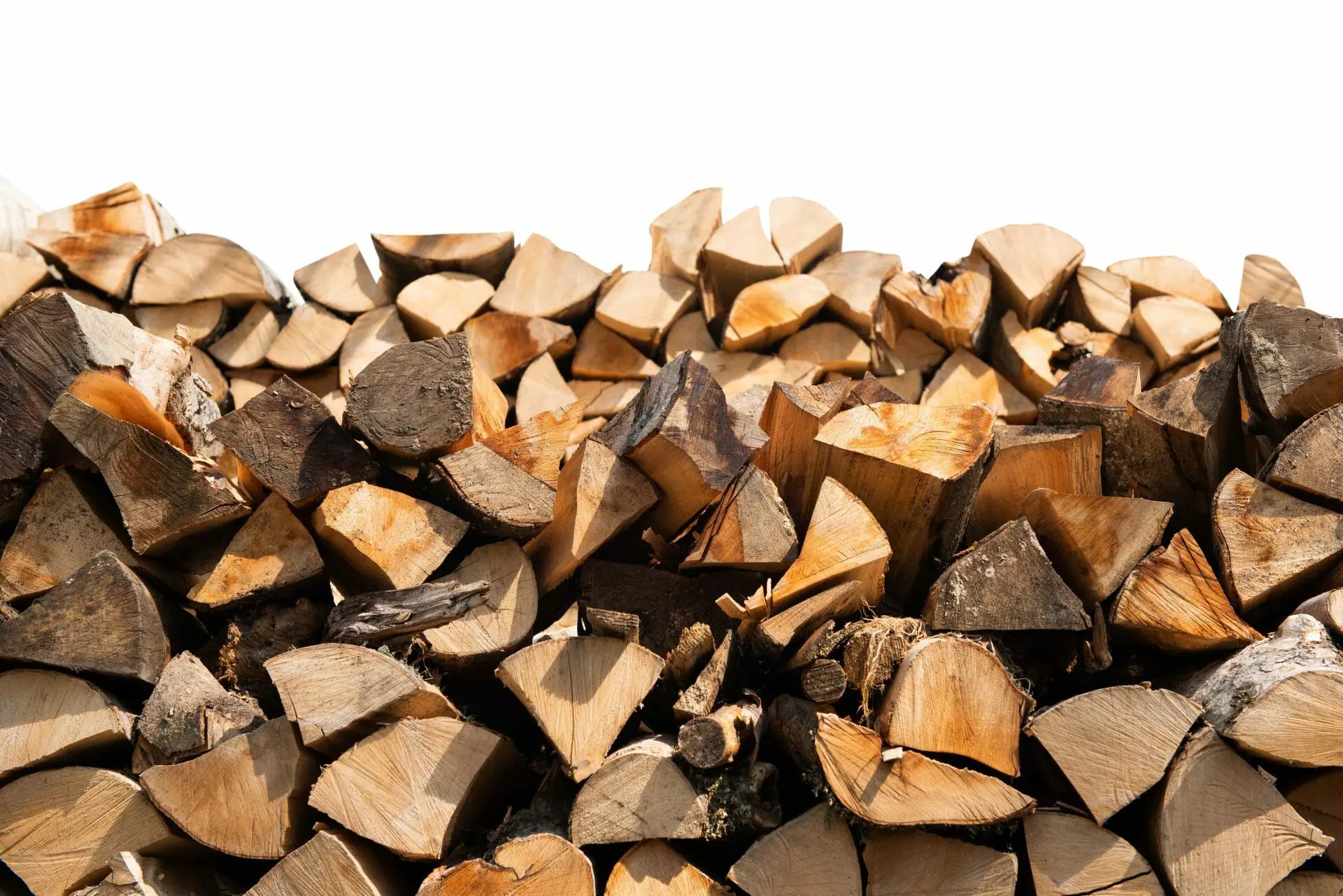
- Size it to your actual volume. Figure out how much wood you realistically want to dry at once, and build (or convert) a structure sized for that, with room for airflow gaps between stacks rather than one dense block of wood.
- Pick a clear, unobstructed, south-facing site.
 Full sun for most of the day is the single biggest factor in how well a solar kiln performs — shade from trees or buildings will meaningfully slow drying.
 - Frame the structure and add the clear panel(s). Whether it’s a full greenhouse-style build, an A-frame, or a converted shed/container, the clear covering is what actually lets the kiln heat up — this isn’t optional or cosmetic.
- Paint interior surfaces dark where sunlight will hit them directly, to maximize heat absorption rather than reflecting it back out.
- Add vents near the top so the humid air the drying wood releases has somewhere to go, rather than condensing back onto the wood.
- Install fans aimed through the stack, not over it. Use metal-bladed fans — interior temperatures can get hot enough to damage plastic components — and mount them so airflow is directed into the wood pile via a baffle.
- Stack with real air gaps between rows rather than packing wood in tightly; airflow through the pile is what actually dries it evenly.
 Full sun for most of the day is the single biggest factor in how well a solar kiln performs — shade from trees or buildings will meaningfully slow drying.
Using the Kiln
- Don’t rush wood out of the kiln before it’s actually dry — burning wood that’s still holding significant moisture wastes heat and produces more smoke and creosote, defeating much of the point of drying it in the first place. A moisture meter is a cheap, reliable way to confirm you’re at a safe burning moisture content rather than guessing.
- Fans genuinely speed up drying time meaningfully over a passive solar kiln with no forced airflow — worth the modest electricity cost if you’re drying wood on any kind of schedule.
- Check the kiln periodically for hot spots or uneven drying, and rotate stacks if one section is drying noticeably slower than another.
The Bottom Line
A wood kiln is genuinely just a purpose-built greenhouse with airflow — sunlight, a dark interior, vents, and fans do all the work, no water or exotic equipment required. Build to the size you actually need, prioritize a sunny, unobstructed site over a fancier design, and you can go from green wood to properly seasoned firewood in a fraction of the time air-drying takes — worth it whether you’re heating your own home or selling wood before it goes bad sitting in an uncovered pile. And well-dried wood won’t crackle and spit the way wet wood does, which is one more reason it’s worth the setup.

Hi, my name’s Eugene Duke and I love sitting by my fireplace reading a book and sipping on an adult beverage. Do you have a fireplace in your house? I’ll help you figure out the best type and style of fireplace for your home.