
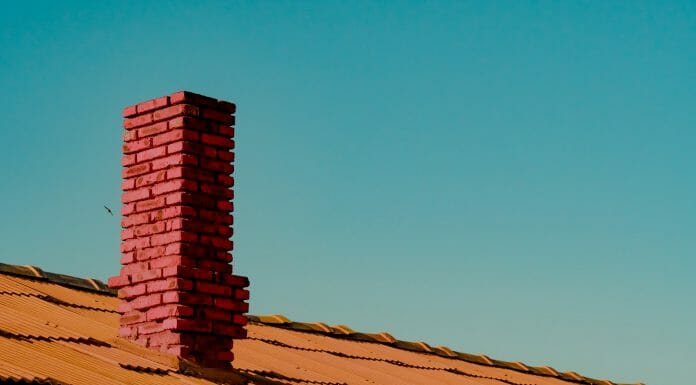
A chimney flue can reach temperatures as high as 482 degrees Fahrenheit
Chimneys are designed to remove dangerous gas from the home but if they are not reaching the correct temperatures this can be dangerous.
The material that is making up the flue must be able to withstand these high temperatures.
People heat their homes with a fireplace because...
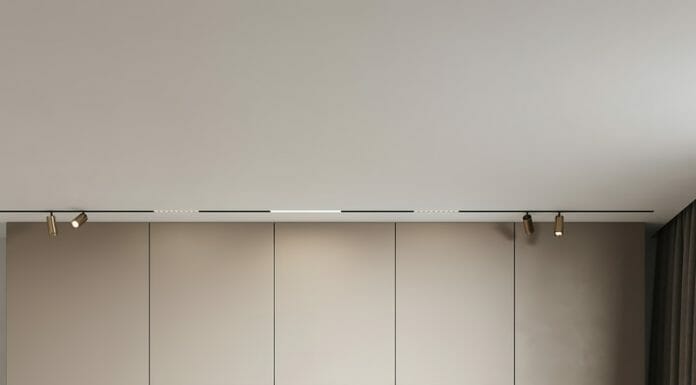
A false wall, also referred to as a media wall, is a minimalist trend- you're setting your TV and all its cables and accessories within your wall and placing your electric fireplace or stove beneath it
It is best for small spaces and should be installed at the focal point of a room
Jump down to some of...
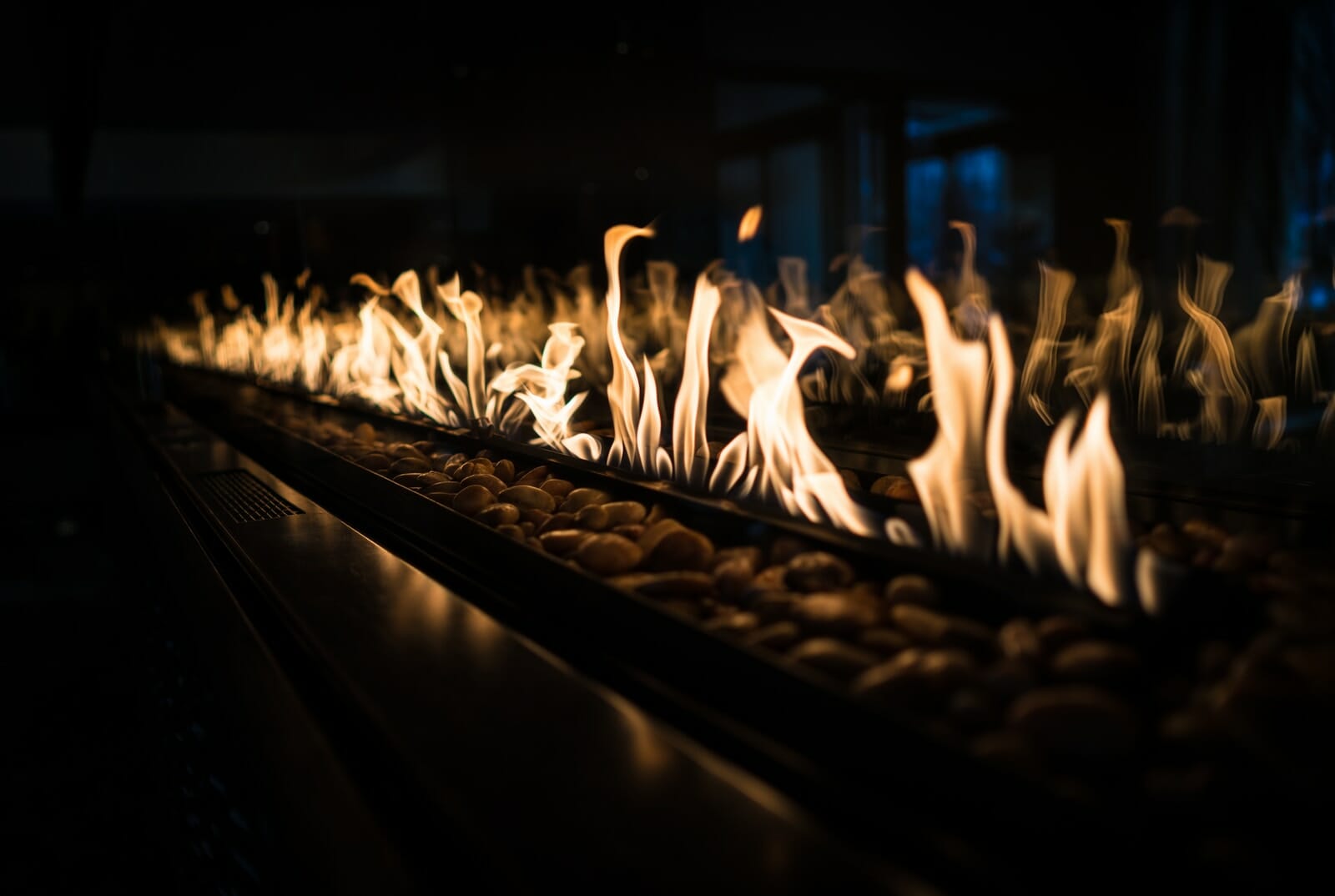
Most gas fireplaces adjust the pilot flame with either a small screw near the pilot assembly or a "high/low" button on the unit or remote — check your manual to know which your model uses.
The common convention is clockwise to lower the flame, counterclockwise to raise it, though this can vary by manufacturer — adjust in small...
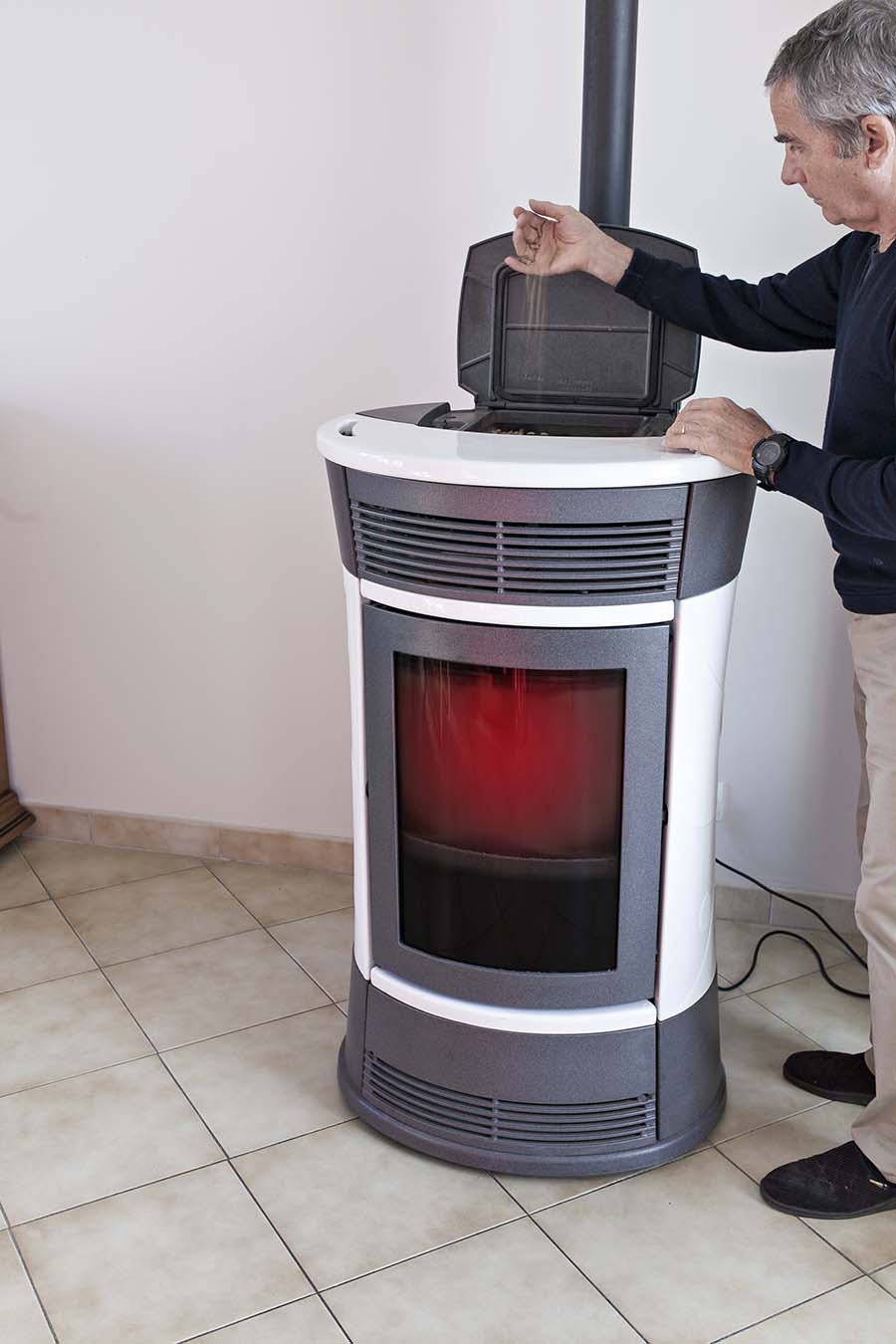
A pellet's stove exhaust pipe or glass can be scalding, but the rest of the stove will just be warm to the touch
If other areas like the top of your pellet stove feels hotter than normal, it might be malfunctioning
Users say that compared to wood stoves, pellet stoves are a lot less hot to the touch
...
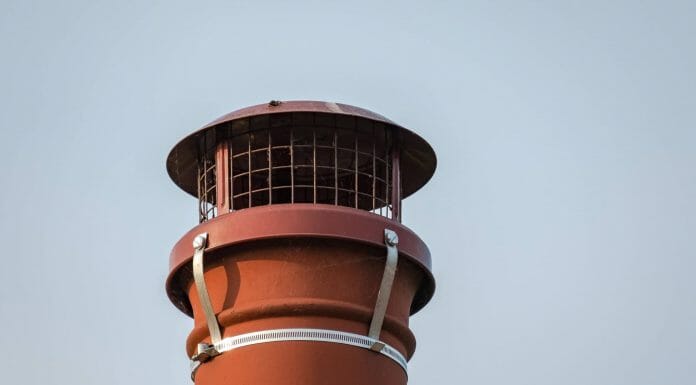
A chimney spark arrestor prevents sparks and embers from falling onto your roof or onto combustible materials on the ground and potentially starting a fire
Generally, they're made from double layers of metal mesh that catches the embers but also enables smoke and gases to leave the chimney
Most chimney caps have integrated spark arrestors- meaning they have...
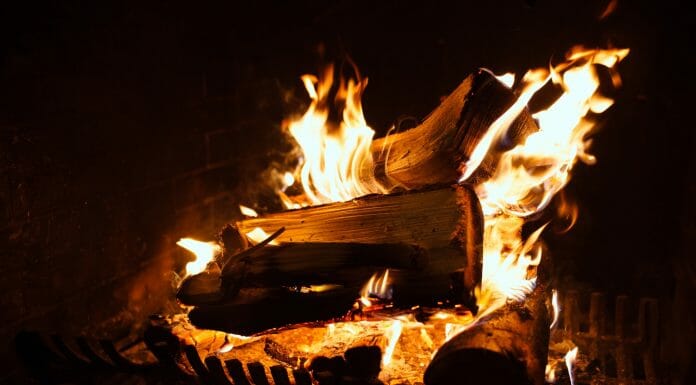
Different species of wood actually have different combusting temperatures- though generally, it's around 300 degrees Celsius
Once burning, firewood burns at temperatures ranging from 800 to 950 degrees Celsius, which is 1472 to 1742 degrees Fahrenheit
Learn more about how hot wood and gas fireplaces get
Fire colors also indicate temperature
Wood burns at different temperatures depending on the...

It is a smart idea to split firewood pieces less than 6 inches in diameter because this adds more exposed surface area
The more exposed surface area, the quicker wood dries and the better it will burns
If you've got pieces that are 3 inches and smaller in diameter they should be used unsplit.
Check out this handy...

Make sure you assess demand for firewood in your area
Consider who your customers are and think about how to bundle up the firewood to make sales easier
Understand what type of firewood sells in your area and what actually have access to
Figure out your marketing channels- try 'spying' on your competitors and see how they're selling...
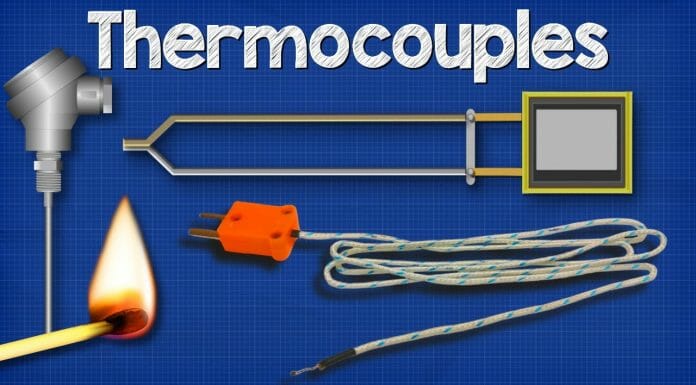
To replace or repair your thermocouple on a furnace the average cost is $100–$250
A thermocouple is essential on older model furnaces that have pilot lights- it depends on a thermocouple to turn off its gas valve if the flame goes out
Furnace thermocouples generally last up to 10 years if you keep it maintained (learn how to...

The depth of gas lines varies by where you're located
In the U.S., according to one Redditor, gas lines should be buried 18 - 36 inches for your average house, assuming your house is situated at street level (Source)
If you're above street level, they don't have to go as deep (Source)
However, in California, they must be buried...