
Removing a gas fireplace involves real gas-line work, and that’s the part of this job worth being honest about upfront: disconnecting and permanently capping a gas line is not a homeowner DIY task. A licensed plumber or gas fitter should handle that specific step — done incorrectly, a poorly capped gas line is a genuine fire and carbon monoxide risk, and many jurisdictions require a permit and inspection for permanently discontinuing a gas appliance connection anyway.
That said, there’s real prep work a homeowner can safely handle before or around that professional visit. Here’s how the whole process typically breaks down.
What You Can Safely Do Yourself
- Turn off the gas supply using the fireplace’s existing shut-off valve, if it has one — this is a normal, safe action distinct from disconnecting or capping the line itself.
- Remove the trim and fireplace surround, if present, to give yourself and any contractor more room to work.
- Clear the area of anything flammable and make sure you have good ventilation before any gas work begins, as a general precaution.
- Plan ahead for what happens to the space afterward — patching drywall, flooring, or the wall opening — since that’s separate from the gas and electrical disconnection work.
What Needs a Licensed Professional
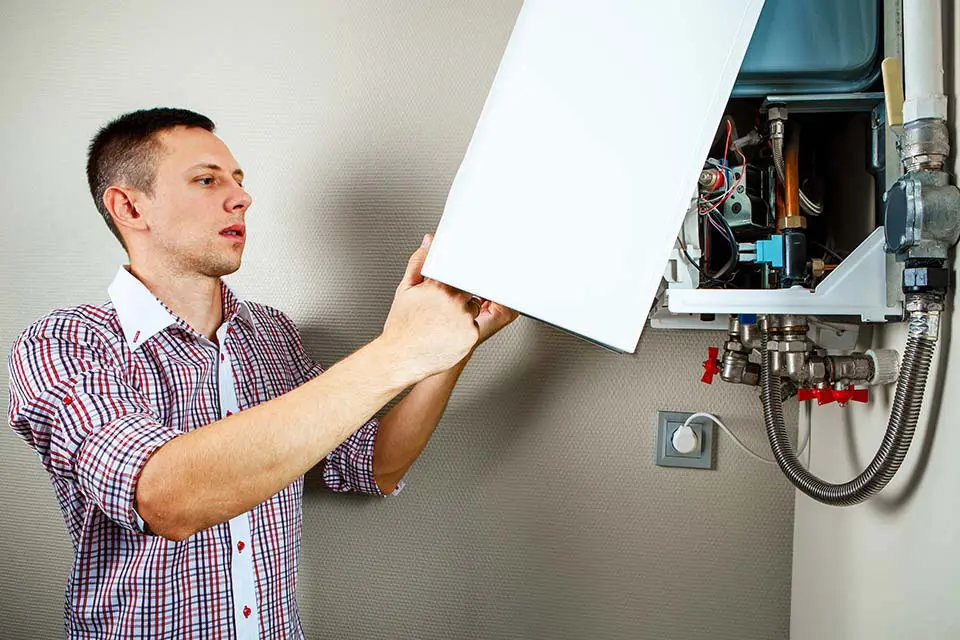
Disconnecting and capping the gas line
A licensed plumber or gas fitter will locate the shut-off valve, confirm whether the line feeds any other appliances before capping it, and permanently cap the pipe at a proper joint. They’ll also pressure-test the capped line — commonly with a soap-and-water solution on the fittings, checking for bubbles that indicate a leak — before considering the job done. This is exactly the step where an improperly sealed cap becomes a real safety hazard, which is why it’s not a step to take on yourself.
Disconnecting the electrical supply
Many gas fireplaces have an electrical connection for a blower or ignition system. A simple plug can be safely unplugged by anyone, but a hardwired connection should be handled by a licensed electrician, who can properly terminate the wiring in a junction box or convert it to a standard outlet if you’re repurposing the space.
Removing the venting

How a gas fireplace vents varies by type — some run through the home’s existing chimney, others use a dedicated B-vent (a specific double-wall metal vent pipe) or direct-vent system through a wall or roof. Whichever type yours has, that venting will need to be properly capped or removed at the roof or wall penetration, not just disconnected at the fireplace end, to avoid leaving an open path to the outside.
What a Professional Removal Typically Involves
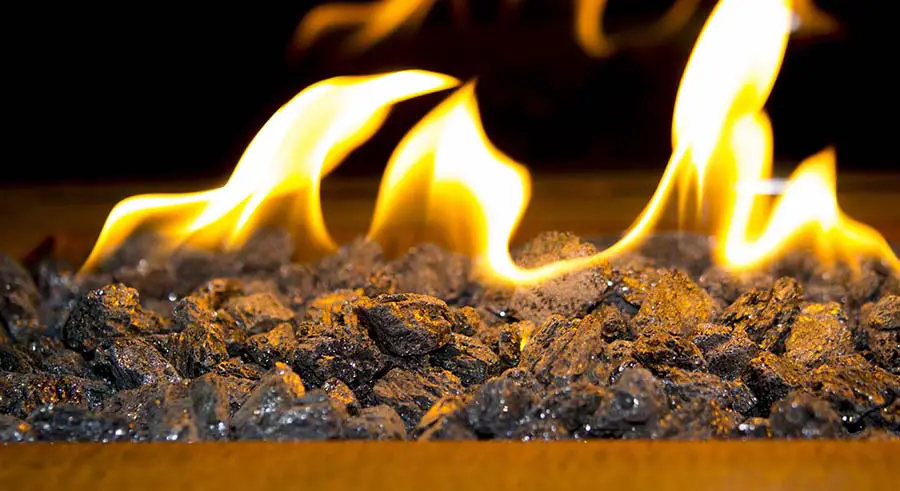
Gas fireplaces come in a range of constructions — sheet steel, refractory brick, and prefabricated modular units among them — and the removal process varies somewhat depending on which you have and whether you’re removing just an insert or the whole unit including venting and surround. Expect a fair amount of dust and debris once the unit and any surrounding materials come out; a shop vacuum or ash vacuum makes cleanup considerably easier.
FAQ
The Bottom Line
Removing a gas fireplace is a real project with a clear line between what’s safe to DIY and what genuinely isn’t: clearing the space and handling trim or a simple electrical plug is fine on your own, while the gas line itself is a licensed plumber or gas fitter’s job every time. Get a quote before you start, confirm whether your local jurisdiction requires a permit for permanently discontinuing the gas connection, and let a professional handle the part of the job where a mistake actually matters.

Hi, my name’s Eugene Duke and I love sitting by my fireplace reading a book and sipping on an adult beverage. Do you have a fireplace in your house? I’ll help you figure out the best type and style of fireplace for your home.