
A dirty thermocouple is one of the most common reasons a gas fireplace pilot won’t stay lit — soot builds up on the probe over time, weakens the tiny electrical signal it produces, and eventually the safety valve reads that as “no flame” and shuts the gas off. Cleaning it is a straightforward maintenance task most people can do themselves, though it’s still gas appliance work, so it’s worth doing carefully and knowing when to stop and call a professional instead.
How to Clean a Thermocouple on a Gas Fireplace
Step 1: Shut off the gas and let everything cool
If the fireplace has been running, let it cool for at least 20 minutes before touching anything. Turn off the gas supply, and remove the glass or panel covering the pilot assembly. Taking a photo before you start is genuinely useful — it makes reassembly much easier if you’re not already familiar with exactly how the pilot assembly goes back together.
Step 2: Clean the thermocouple probe
Gently rub the thermocouple probe with fine-grit sandpaper or an emery cloth to remove the soot buildup, working until the bright metal underneath is visible. Don’t scrub aggressively — the probe is thin and the goal is removing soot, not reshaping the metal.
Step 3: Clear away debris
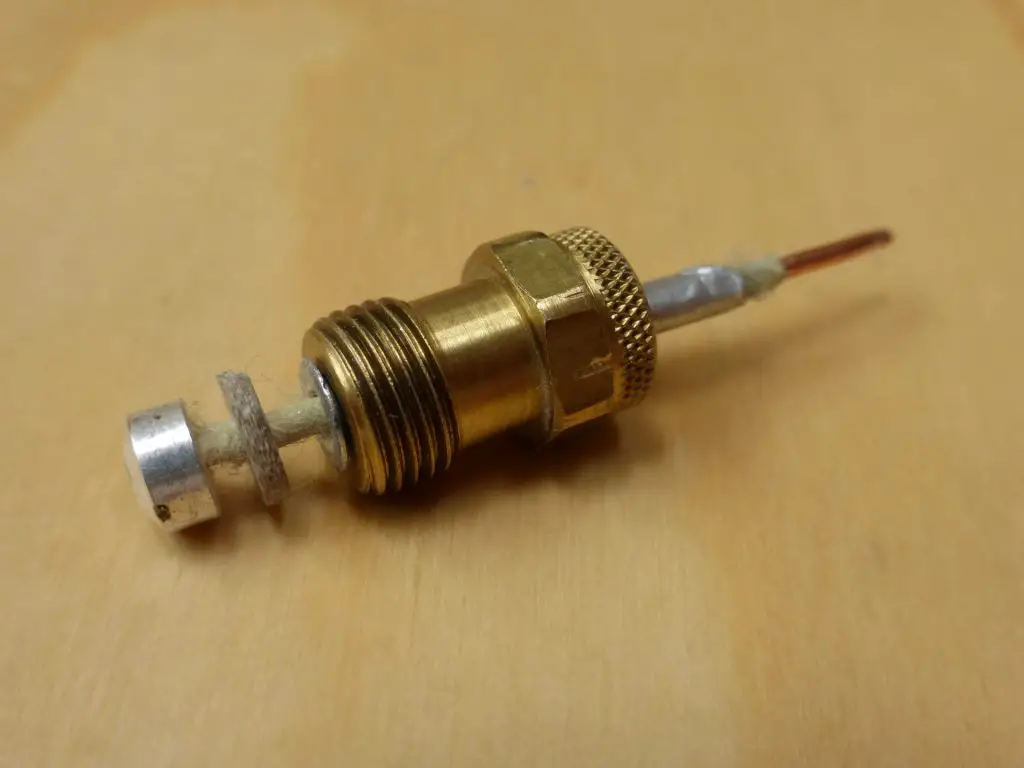
Use compressed air to blow away any remaining dust or soot from the probe and the surrounding pilot assembly before reassembling and relighting.
Step 4: Relight and check the flame
Relight the pilot following your fireplace’s specific lighting instructions (see our guides on lighting a gas fireplace for the first time or relighting the pilot if you need the full process). It’s common for the pilot to take a few tries to catch again after being off — that’s normal.
Once lit, look at the flame. A healthy pilot flame is almost entirely blue, with the flame enveloping the top third or so of the thermocouple. A yellow or orange flame means incomplete combustion, usually from a partially blocked pilot orifice or intake — and it’s worth taking seriously rather than shrugging off, since incomplete combustion is also how a gas appliance produces more carbon monoxide than it should. If cleaning the thermocouple and blowing out the assembly doesn’t bring the flame back to a steady blue, that’s a sign to stop and call a qualified gas appliance technician rather than continuing to troubleshoot on your own.
Step 5: Check flame position and burner ignition
If the flame burns blue and strong but sits off-center on the thermocouple, you can usually adjust the thermocouple’s position slightly within the pilot bracket to correct it. Let the pilot burn for about a minute before switching on the main burner.
If the pilot stays lit but the main burner won’t fire, that generally points to a thermocouple that’s still not generating enough voltage even after cleaning — at that point, replacement is the more reliable fix than continued cleaning, and if you’re not comfortable doing that part yourself, it’s a reasonable job to hand to a technician.
How a Thermocouple Works
A gas fireplace’s pilot flame does more than just stand ready to light the main burner — it also heats a small probe called a thermocouple (or, on some models, a thermopile, which is essentially several thermocouples wired together for a stronger signal).
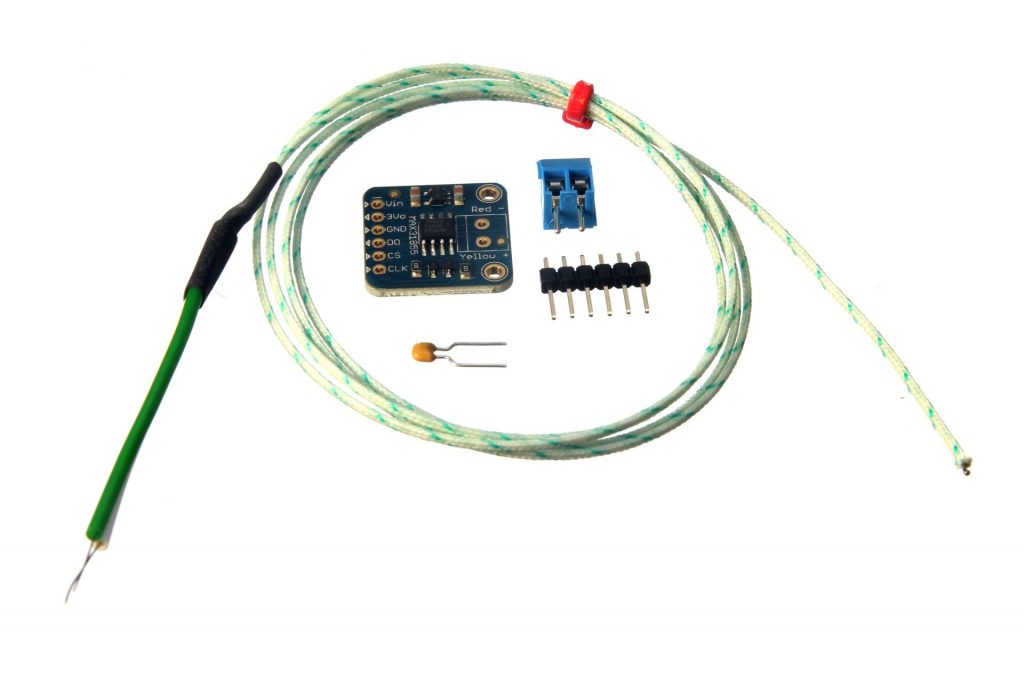
When two dissimilar metals inside the thermocouple are heated by the pilot flame, they generate a small voltage — typically in the 15–30 millivolt range, enough to hold open a tiny electromagnet inside the gas valve. As long as that voltage keeps flowing, the valve stays open and gas can reach the main burner. A thermopile produces meaningfully more voltage than a single thermocouple, which is why some fireplaces use one instead — it’s enough to also power things like a wall switch or blower circuit, not just hold the safety valve open.
Soot naturally builds up on the thermocouple over time, since it sits directly in the pilot flame and cools rapidly whenever the flame isn’t perfectly touching it — the same incomplete combustion that produces soot and creosote elsewhere in a fireplace also coats the thermocouple probe. Many fireplaces run for years before this buildup gets bad enough to cause problems, so if your pilot suddenly won’t stay lit after years of trouble-free operation, a dirty thermocouple is a reasonable first thing to check before assuming something more serious is wrong.
Cleaning method and flame-color troubleshooting cross-checked against Hunker’s thermocouple cleaning guide and general HVAC/gas-fireplace service industry troubleshooting guidance. Always follow your specific fireplace manufacturer’s manual where it differs from general guidance here, and if you smell gas at any point, stop immediately, don’t attempt to relight anything, and call your gas utility or a qualified technician.

Hi, my name’s Eugene Duke and I love sitting by my fireplace reading a book and sipping on an adult beverage. Do you have a fireplace in your house? I’ll help you figure out the best type and style of fireplace for your home.