
Banking a fire means preserving it rather than putting it out — covering the hot coals so enough heat survives overnight to restart the fire easily the next morning, instead of building a new one from scratch. It works for both outdoor fires and certain indoor setups, though the method differs meaningfully between the two.
Banking a Fire Indoors: Stoves and Inserts Only
Indoors, banking is only appropriate in a closed appliance — a wood stove or fireplace insert — never an open fireplace. The method is straightforward: once you have a solid bed of hot coals, rake them into a compact pile and cover them with a layer of their own ash. The ash insulates the coals, slowing combustion enough that they’ll still be glowing hours later, ready to catch fresh kindling without needing to build a fire from nothing.
Keep the appliance’s air intake mostly closed while banked to slow the burn further, and always confirm the specific stove or insert manufacturer doesn’t advise against overnight banking for that model before relying on this routinely.
Banking a Fire Outdoors
Outdoors — around a fire pit or campfire — banking means shielding the coals from wind so they don’t burn out overnight. A wall of stones, rocks, or a dirt berm around the fire pit (or building the fire against an existing rock or dirt wall) cuts down the airflow reaching the coals, which slows the burn and keeps them hot until morning.
How to Bank an Outdoor Fire, Step by Step
1. Start With Good Wood
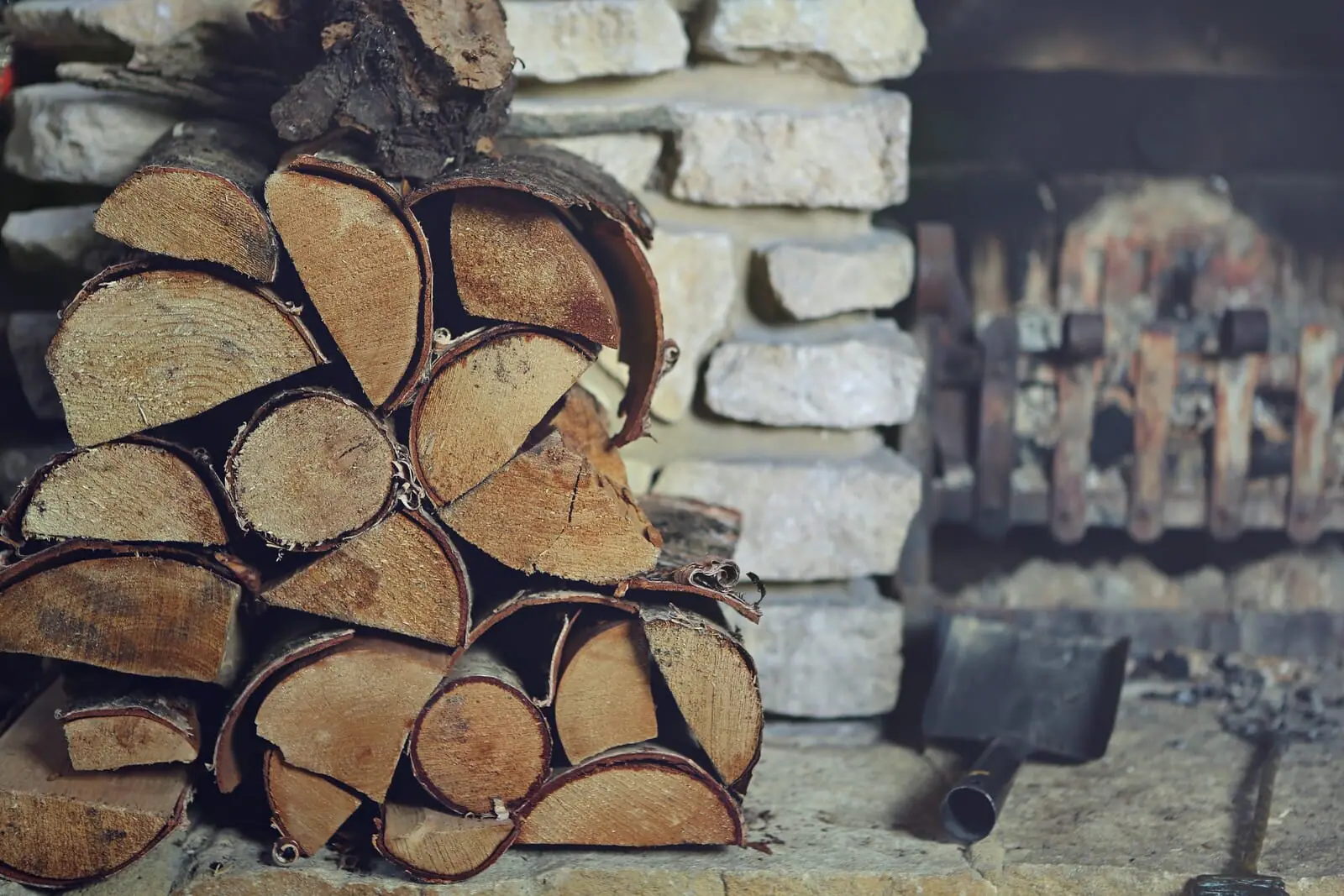
Poor-quality or unseasoned wood won’t leave you with enough coals to bank. Use properly seasoned firewood, and keep a pair of fireplace gloves on hand for handling hot coals and logs safely.
2. Build a Wind Wall
Before or while you build the fire, stack stones, rocks, or logs around it to block wind. This does double duty: it protects the coals overnight, and it moderates airflow to the fire itself while it burns, which helps build a solid bed of coals in the first place.
3. Build a Strong Bed of Coals
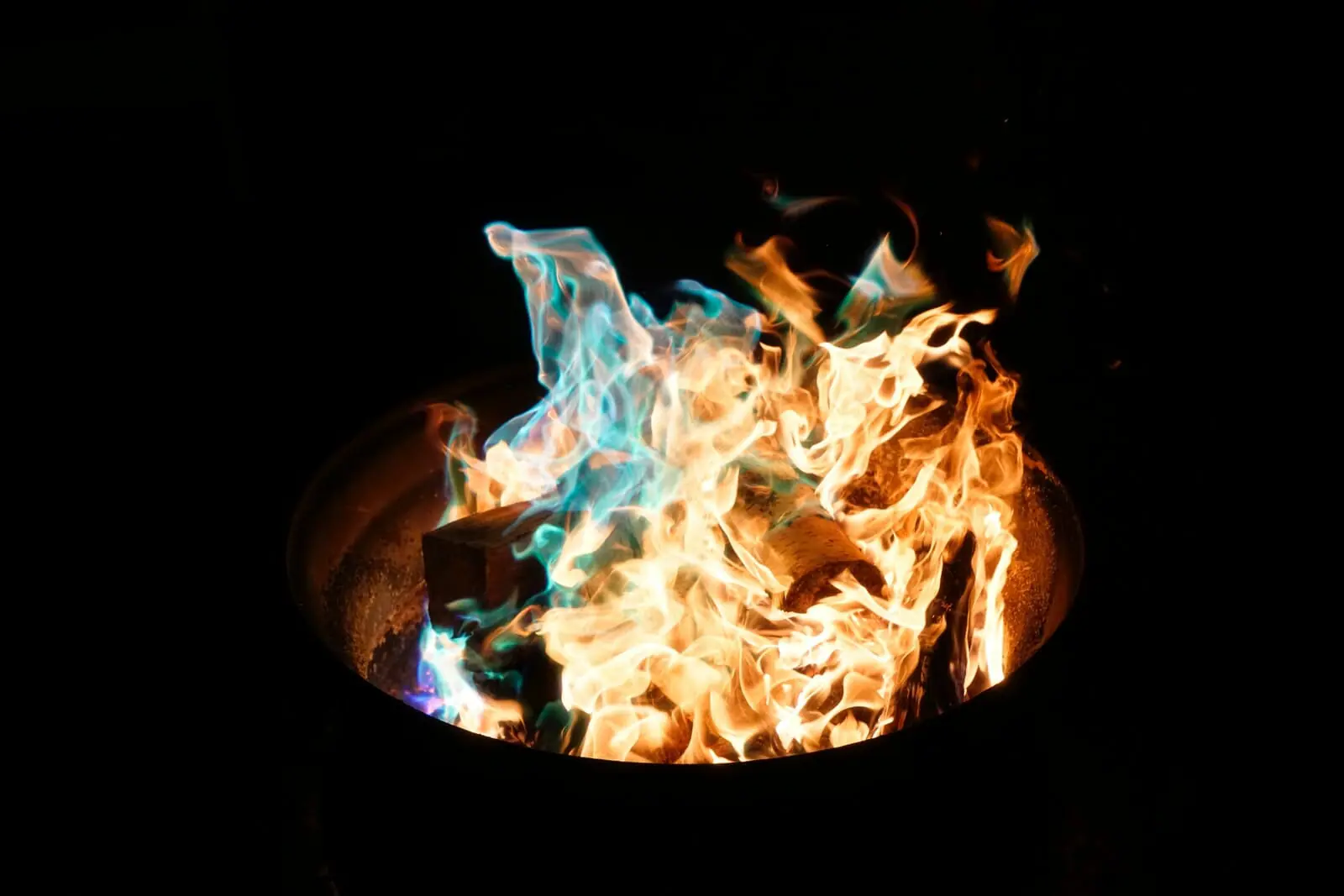
Let the fire burn down large logs into a deep, glowing coal bed rather than banking a fire that’s still mostly flame and unburned wood — coals hold heat far longer than active flame does.
4. Separate the Ash From the Embers
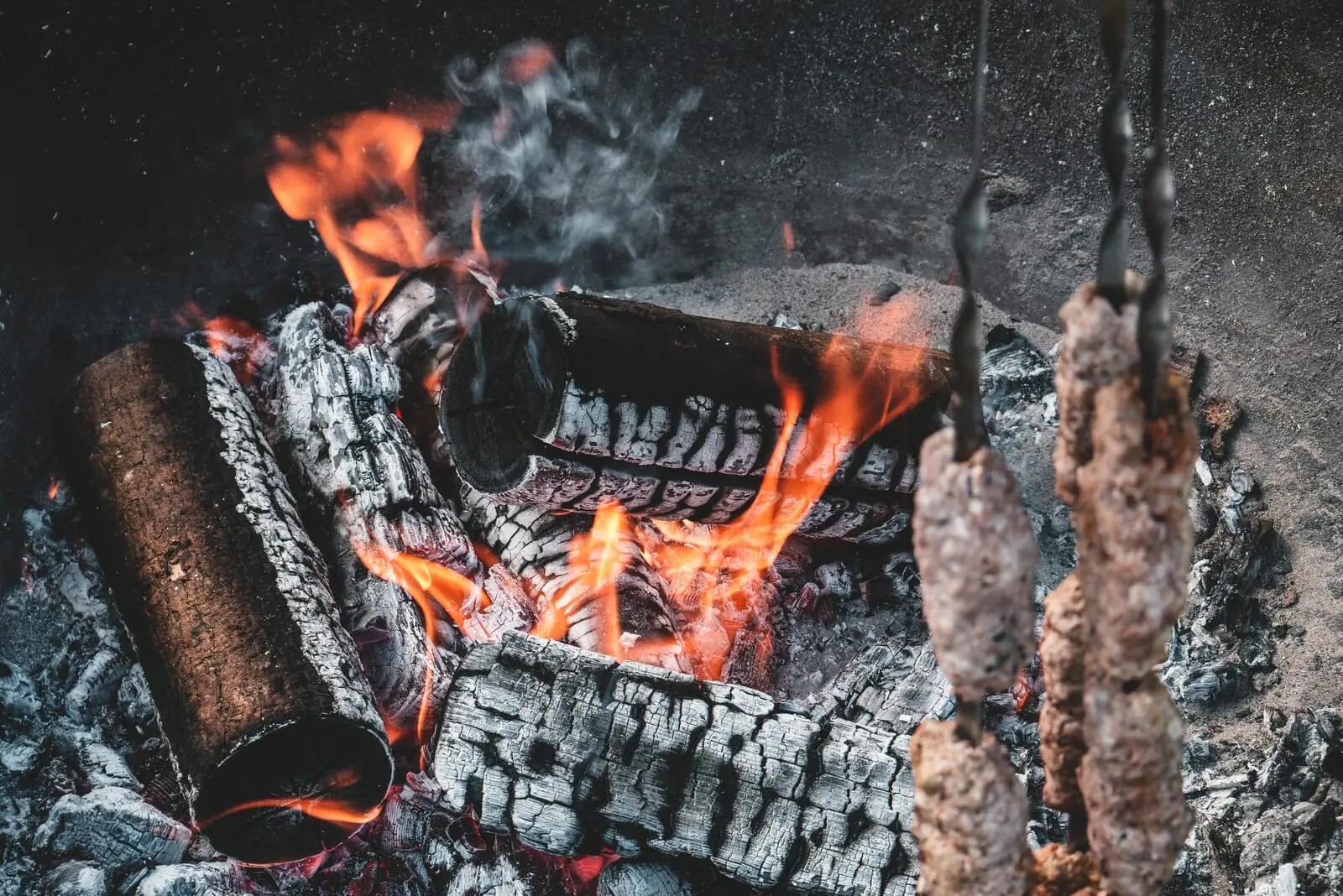
Using a fire poker or rod, push the loose ash off to the side, away from the hot coal bed, so you have clean ash ready to use as insulation in the next step.
5. Cover the Coals With Ash
Using a shovel (or an ash bucket to move it, if indoors), pile the separated ash back over the coal bed. This limits the oxygen reaching the coals, which is what slows the burn enough to survive the night without flaming up.
6. Leave Unburned Logs Nearby to Dry
Set any unused logs near (not touching) the banked coals overnight. The residual heat will dry them out slightly, which helps them catch faster when you rebuild the fire in the morning.
In the morning, rake the ash aside and you should find the coal bed still glowing — enough to catch kindling directly, without starting from a cold pit.
The Bottom Line
Banking a fire is really just controlled insulation: shield the coals from wind and oxygen, and they’ll hold enough heat to restart easily the next day. Indoors, that only applies to closed stoves and inserts — never an open fireplace, which lacks the sealed firebox needed to bank safely overnight.

Hi, my name’s Eugene Duke and I love sitting by my fireplace reading a book and sipping on an adult beverage. Do you have a fireplace in your house? I’ll help you figure out the best type and style of fireplace for your home.